
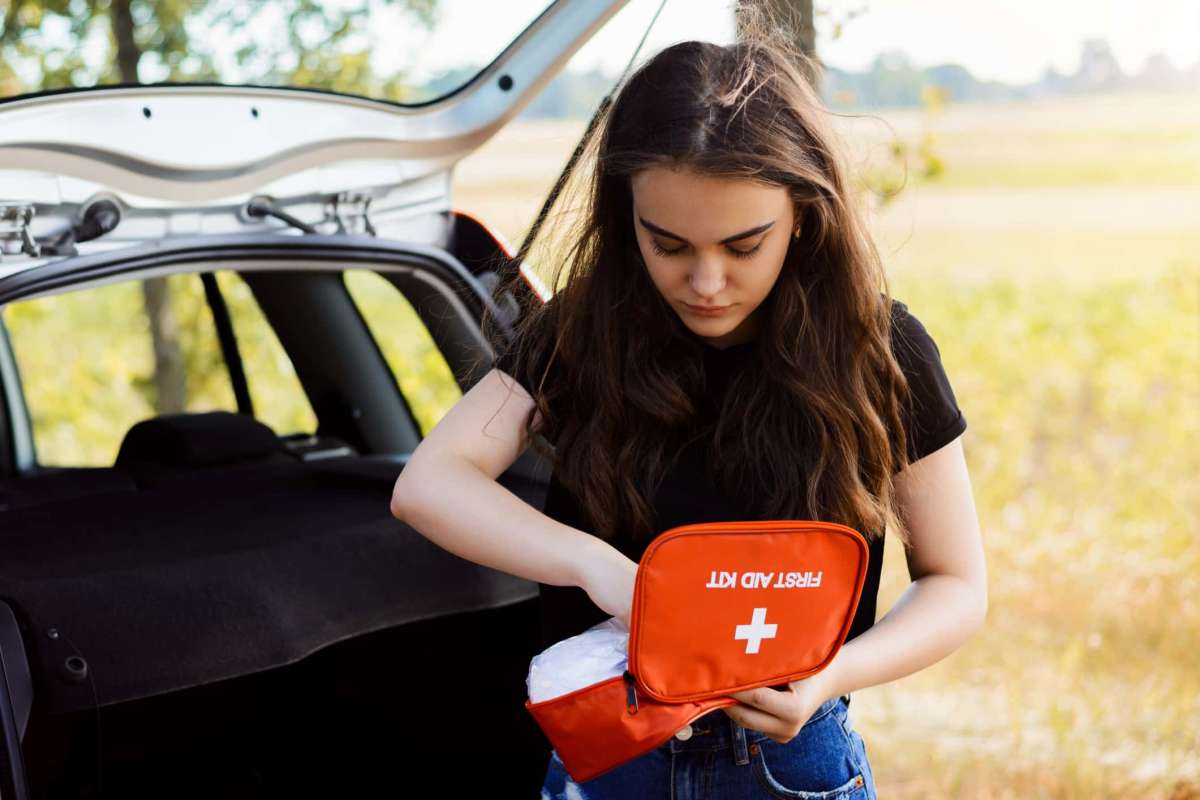
Everyone experiences tough days, but for many teens, difficult moments can feel overwhelming or more frequent. Understanding the reasons behind anxiety, depression, ADHD, OCD, or other challenges is essential, yet insight alone does not always make hard days easier. This is where creating a mental health first aid kit can help. A thoughtfully assembled mental health kit becomes a grounding place to turn to, whether someone is struggling, feeling unsure, or simply wanting to practice emotional self-care.
A mental health kit does not replace clinical support. It is a practical tool that works alongside ongoing therapeutic care. Teens who are already working with a professional can speak with their providers about what might be helpful to include in their kits. To learn more about how treatment supports emotional well-being, visit our page on teen mental health.
What Is a Mental Health First Aid Kit?
A mental health first aid kit is a collection of items that help someone soothe, regulate, or support themselves during moments of stress. Just as a physical first-aid kit helps with cuts, scrapes, or minor injuries, a mental health emergency kit offers resources for emotional challenges, complex thoughts, or overwhelming feelings.
Each person’s kit will look different. A meaningful self-care kit for mental health is built around what makes someone feel safe, grounded, and supported. Many teens personalize their kits with small items that remind them of comfort, joy, connection, or stability.
Common mental health kit ideas include:
-
Pictures or keepsakes that spark positive memories
-
Printed QR codes linking to calming playlists
-
A journal and writing prompts
-
Soothing sensory items like scented lotion or a stress ball
-
A favorite book passage or affirmation
-
A small coloring book
-
Herbal teas or a warm drink mix
-
A weighted lap pad or small blanket
The goal is not perfection. The goal is accessibility and emotional support.
If your teen is navigating anxiety or depression, explore our resources on anxiety in teens or depression in teens for deeper guidance.
How to Plan Your Mental Health Self-Care Kit
Before choosing items, decide where the kit will live. Many teens like keeping it:
-
In a small tote
-
In a bedside drawer
-
In a decorative box
-
In a backpack pouch
It should be somewhere easy to reach in moments of stress. Once you have your container, begin thinking about what you want your mental health survival kit to help you do. For example, items that support you when you need to:
-
Feel soothed
-
Feel inspired
-
Feel grounded
-
Feel present
-
Remember you are cared for
This is also a good time to include essential numbers and resources. For teens in treatment or actively working with a professional, a kit can contain:
-
Your therapist’s phone number
-
Parent or caregiver contact numbers
-
Crisis hotlines or local support resources
-
Information for group therapy or school counseling
You can find additional mental health education and support tools on our blog.
Journaling Tools and Writing Prompts
Journaling is one of the most grounding activities to include in a mental health tool kit. A small notebook, a favorite pen, and a card with writing prompts can help slow down racing thoughts or provide a space for reflection.
Prompts might include:
-
What is one thing I need right now?
-
What emotion feels strongest in this moment?
-
What is one memory that makes me feel calm?
-
Who is someone I feel safe with and why?
Writing by hand can help teens process emotions more gently than typing. Journaling is also a powerful way to acknowledge growth, gratitude, and small victories on good days.
Positive Affirmations
Affirmations can be an uplifting addition to a mental health first aid kit. The key is choosing affirmations that feel personal and believable. Teens may write them on sturdy cards, keychain tags, or small notebooks they can carry anywhere.
Examples include:
-
I am doing the best I can today.
-
I am learning to trust myself.
-
I am capable of getting through challenging moments.
-
I deserve support and care.
Affirmations remind teens of their strengths and resilience. For more resources on building self-worth and emotional regulation, explore our page on our treatment philosophy.
Motivational Music Playlists
Music is a potent emotional regulator. A mental health self-care kit can include several QR codes linking to curated playlists for different moods:
-
Calming songs for grounding
-
Upbeat songs for motivation
-
Soft background music for journaling
-
Songs that bring a sense of nostalgia and comfort
Including these as printed QR codes makes the kit something physical to reach for during challenging moments.
Happy Video Playlist
In addition to music, many teens include a happy video playlist. These can be short clips, favorite creators, funny animal videos, or meaningful movie scenes. Laughter and familiarity can provide rapid emotional relief on hard days.
Videos can also support emotional regulation through co-regulation. Watching a calm or comforting video can help slow breathing, lower tension, and interrupt spiraling thoughts.
Hotlines, Important Numbers, and Crisis Resources
Just as a physical first-aid kit includes emergency supplies, a mental health emergency kit should include essential contacts. These resources can make a significant difference during moments of distress.
Examples include:
-
Parent or caregiver numbers
-
Therapist or psychiatrist contact information
-
A trusted friend
-
National or local hotlines
For crisis assistance, you can learn more about mental health care pathways on our page about teen mental health programs.
You Do Not Have to Build Your Kit Alone
Creating a mental health first aid kit is not something teens have to do without support. Parents, caregivers, teachers, and mental health professionals can help teens identify items that feel comforting, grounding, or meaningful.
If you or your teen needs deeper guidance or professional support, Visions provides a full continuum of care for adolescents, including residential treatment, outpatient programs, and family services. Learn more about how we help teens build long-term emotional wellness on our programs page.
If Your Teen Needs Support, We Are Here
If your family is navigating a difficult season, you do not have to manage it alone. Our admissions team can answer questions, discuss treatment options, and help you understand the next step.
Connect with us through our contact page.